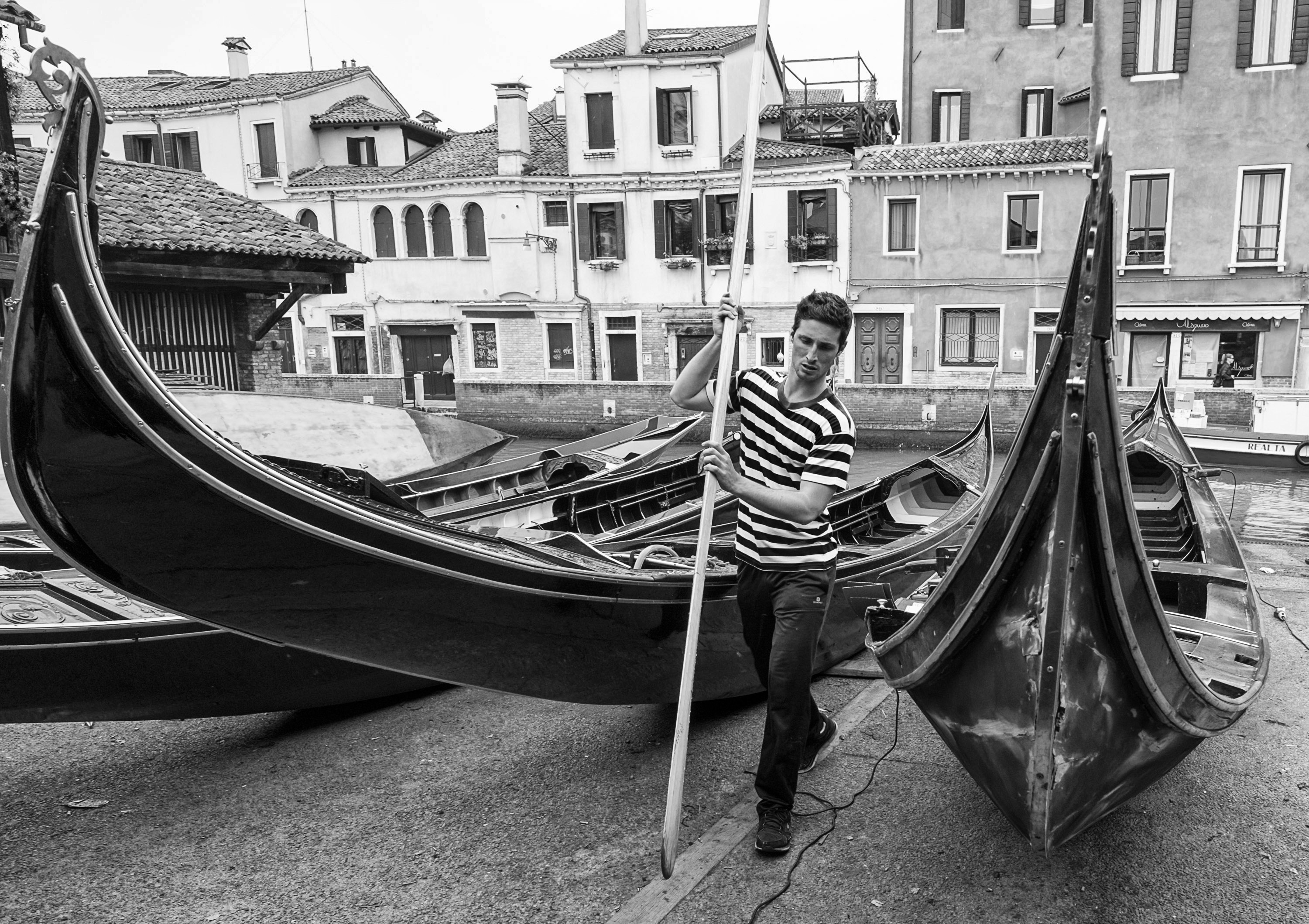
As a street photographer, one of the most common questions I receive is: Can you actually take that picture?
This morning, I woke up early to find an interesting question under one of my street photographs. My friend Marina asked, “Ma allora, fammi capire, si può fotografare la gente e pubblicare lo scatto?” (trad. So, let me understand, can you photograph people and publish the shot?)
The answer isn’t as simple as yes or no. Whether you can legally take and use a photo depends on several factors, including the country you’re in, how the image will be used, and whether the people in the photo are identifiable. In this post, I’ll break down the different categories of image use—personal, commercial, and editorial—and explore how these uses are regulated differently in Anglo-Saxon countries compared to places like Italy.

Understanding the legalities behind street photography is not just about protecting yourself from potential legal disputes. It’s also about respecting the rights of the people you photograph. While the street is often seen as an open canvas for photographers, there are ethical considerations when capturing images of strangers, especially in our digital age where a single photograph can reach millions of eyes in an instant.
1. Personal Use
When we talk about personal use, we’re referring to photos that are kept private or shared within a limited circle, such as on a personal blog or portfolio where the photographer is not profiting. If you’re snapping photos during your travels or documenting urban life for personal reflection or artistic growth, you’re usually within legal bounds, as long as the photo stays in your personal domain.
In most countries, including both Anglo-Saxon ones like the US and UK, and countries like Italy, personal use of street images is largely unrestricted. However, there are exceptions. Some places might have cultural or social sensitivities, and while you may not face legal repercussions, it’s important to consider how people may feel about being photographed, even in a public space. Ethical considerations should always be at the forefront of street photography, no matter where you are.

2. Commercial Use
Commercial use is a significant turning point in photography legality. It refers to images used to sell a product, promote a service, or for other forms of profit-making, including in advertisements, brochures, or even product packaging. The moment you want to profit from an image featuring an identifiable person, the law kicks in with stricter requirements.
In Anglo-Saxon countries, such as the US, the general rule is that you’ll need a model release form if the person in your photo can be easily recognized. Even if the picture was taken in a public space, selling that image without a signed agreement from the subject could land you in hot water. Some photographers may be tempted to skirt around this by blurring faces or shooting in a way that anonymizes the subject, but this can still be legally risky in certain contexts.
In Italy, and many other non-Anglo-Saxon countries, privacy laws are even more stringent. Italian law strongly protects individual privacy, and this extends to street photography. Even if you are taking photos in a public space, you cannot use those images commercially without obtaining the person’s explicit consent. For example, using a street photo in a tourism advertisement without the subject’s permission could be grounds for legal action. Furthermore, Italian law places a heavier emphasis on the concept of “dignity” and how a person might be portrayed, which could become a factor even in non-commercial uses.
3. Editorial Use
Editorial use typically includes photos used in news reports, blogs, documentaries, or artistic projects that are considered informative or educational, rather than promotional or commercial. Editorial images often appear in magazines, newspapers, and on websites that report on social events or offer commentary on public life.
In Anglo-Saxon countries, editorial use is often covered under laws protecting freedom of the press and freedom of speech. As long as the photo is being used to illustrate a story, news piece, or social commentary, you usually don’t need a model release. However, context is key. A photo taken of someone participating in a public protest, for example, is more likely to be considered fair game for editorial use than a random snapshot of a passerby who isn’t linked to the subject of the story. In some cases, even editorial photos may fall into a gray area if they’re seen as violating someone’s privacy or being misleading in their portrayal of a subject.
In Italy, editorial use is permitted but with more caution. While photographers and journalists can usually take photos in public spaces, Italian privacy laws come into play if the image identifies a person who is not part of the public event or if it could be seen as intrusive. Even in editorial cases, special permissions may be required for photographing sensitive subjects like children, hospitals, or religious events.
4. Anglo-Saxon Legislation vs. Italian Law
While both Anglo-Saxon countries and Italy recognize the value of public space in street photography, the legal frameworks surrounding the use of these images differ significantly. In Anglo-Saxon cultures, the law tends to favor the photographer’s right to capture public spaces and individuals within them, particularly for personal and editorial purposes. The right to photograph in public is seen as an extension of the freedom of expression and the press, though this right is limited when commercial gain is involved.
In Italy, the law gives more weight to the individual’s right to privacy. Even in a public space, a person can argue that their privacy has been violated if their image is used in a way that harms their dignity or identifies them without permission. These rules apply even more stringently when children, police officers, or other protected individuals are involved.
It’s also important to understand that laws change and evolve. As street photography grows in popularity, and with images being shared so widely online, legal precedents continue to shift. That’s why it’s crucial to stay informed about the laws in the country where you’re photographing.
Conclusion: Know the Laws, Respect the People
Street photography is a vibrant and exciting form of art, but it comes with responsibilities. Knowing the difference between personal, commercial, and editorial use is critical to avoid legal troubles and maintain ethical standards in your work. Whether you’re shooting in an Anglo-Saxon country with looser rules or in Italy, where privacy is deeply valued, respect for the people you photograph should always be at the core of your practice.
by Marco Secchi (@msecchi@flipboard.com)
Leave a Reply